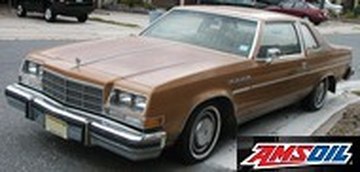
Maintaining Lubrication Standards for the 1981 Buick ELECTRA 4.1L
Proper engine maintenance is a cornerstone of long-term vehicle health, particularly for an engine like the 4.1L found in this 1981 Buick Electra. While many aspects of automotive care are universal, managing the lubrication needs of a classic powertrain requires a disciplined approach to inspection and fluid management. By focusing on consistent monitoring and adhering to specific application data, owners can better manage the mechanical integrity of their vehicle over time.Monitoring Fluid Integrity and Condition
A primary task in routine engine care involves observing the physical condition of the engine oil. Rather than relying solely on a calendar or mileage, an owner can gain valuable insights by periodically checking the lubricant's appearance. When the oil is pulled from the dipstick, it should be inspected for clarity and consistency. If the oil appears excessively dark or contains visible particulate matter, it may indicate that the fluid has undergone significant thermal stress or that contaminants are present. Furthermore, any unusual odor or a milky, emulsified texture can be an indicator of moisture or other fluids entering the crankcase. Such observations do not necessarily confirm a specific mechanical failure, but they serve as important signals that warrants further investigation to determine the underlying cause.Observing Potential Warning Signs
Maintaining awareness of how the engine behaves during operation is essential for early detection of potential issues. Owners should remain attentive to any changes in the vehicle's standard operating characteristics. For instance, if an owner notices a change in the way the engine sounds or if there are visible signs of fluid seepage around the engine block, these should be addressed promptly. It is important to recognize that many different factors can lead to similar symptoms. A burning odor, for example, might suggest oil contacting a hot external component, but it could also stem from other sources. Similarly, an increase in lubricant consumption may be related to various internal or external factors. Because symptoms can have multiple causes, they should be treated as prompts for a professional inspection rather than definitive diagnoses of a specific part failure.Prioritizing Maintenance Based on Current Condition
As vehicles age, the most effective way to manage maintenance is to prioritize tasks based on the actual condition of the components rather than strictly following an arbitrary age-based schedule. For a 1981 Buick Electra, this means establishing a baseline of what "normal" looks like for your specific engine. If service records are available, reviewing them can help identify patterns in fluid consumption or previous repairs. If no history is known, the first priority should be to establish that baseline through frequent, careful inspections. This involves:- Checking for any active leaks or seepage at various sealing surfaces.
- Monitoring how much lubricant the engine uses between service intervals.
- Inspecting accessible hoses and belts, if equipped, for signs of deterioration such as cracking or glazing.
- Verifying that all electrical connections related to engine monitoring are secure and free of corrosion.
Managing Aging Seals and Gaskets
Over many years of thermal cycling, various gaskets and seals within the engine compartment may undergo changes in their physical properties. It is a practical part of long-term ownership to inspect these areas for signs of age-related seepage. While a small amount of "sweating" on a surface is not always cause for alarm, any active drip or significant accumulation of fluid should be investigated. When performing routine inspections, look closely at the areas where major components meet. Identifying whether a leak is coming from a specific seal or simply running down from a higher point in the engine is a key step in effective troubleshooting. Addressing minor seepage early can prevent more significant issues and helps maintain a clean engine environment.The Role of Consistent Lubrication Management
Effective lubrication management goes beyond just changing the oil; it involves understanding how the lubricant protects the engine's internal components. The fluid serves to reduce friction between moving parts, manage heat generated during combustion, and help control the buildup of deposits. Maintaining a clean and fresh supply of lubricant is vital for ensuring these functions are performed effectively. As oil ages, its ability to resist oxidation and maintain its protective qualities can diminish. By adhering to a consistent service routine and using the correct application-specific products, an owner helps ensure that the engine remains protected against the gradual buildup of sludge or other contaminants that can occur over long periods of operation.Practical Guidance for Buying Engine Oil for your 1981 Buick ELECTRA 4.1L
When it is time to replenish your engine's lubricant, the most important step is to ensure the product matches the specific requirements of your vehicle. Because different engines have unique needs regarding fluid properties and protection levels, you should not rely on general automotive knowledge or assumptions based on the vehicle's age. To make an informed purchase, follow these steps:- Match the Application Information: Always refer to the specific viscosity and application details provided in the technical data on this page. Do not attempt to use a different grade than what is listed for your 4.1L engine.
- Verify API Certification: Look for products that carry the appropriate API (American Petroleum Institute) service symbols on the label to ensure they meet modern quality and performance standards.
- Consider Formulation Types: Depending on your specific needs, you may choose between conventional, synthetic blend, or full synthetic oils. Some high-mileage formulations are also available, which contain additives intended for use in aging engines.
- Check the Label Carefully: Before completing your purchase, double-check that the bottle's specifications align exactly with the vehicle-specific information displayed above to avoid any compatibility issues.